

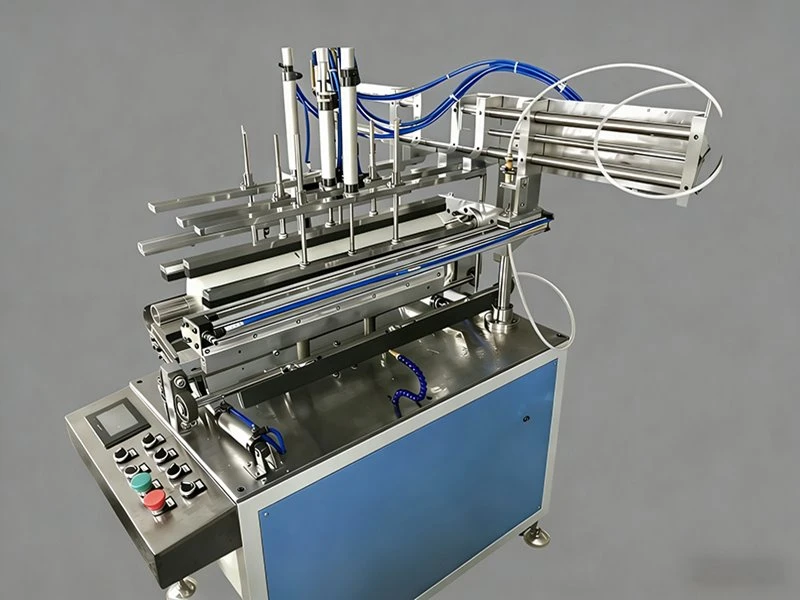
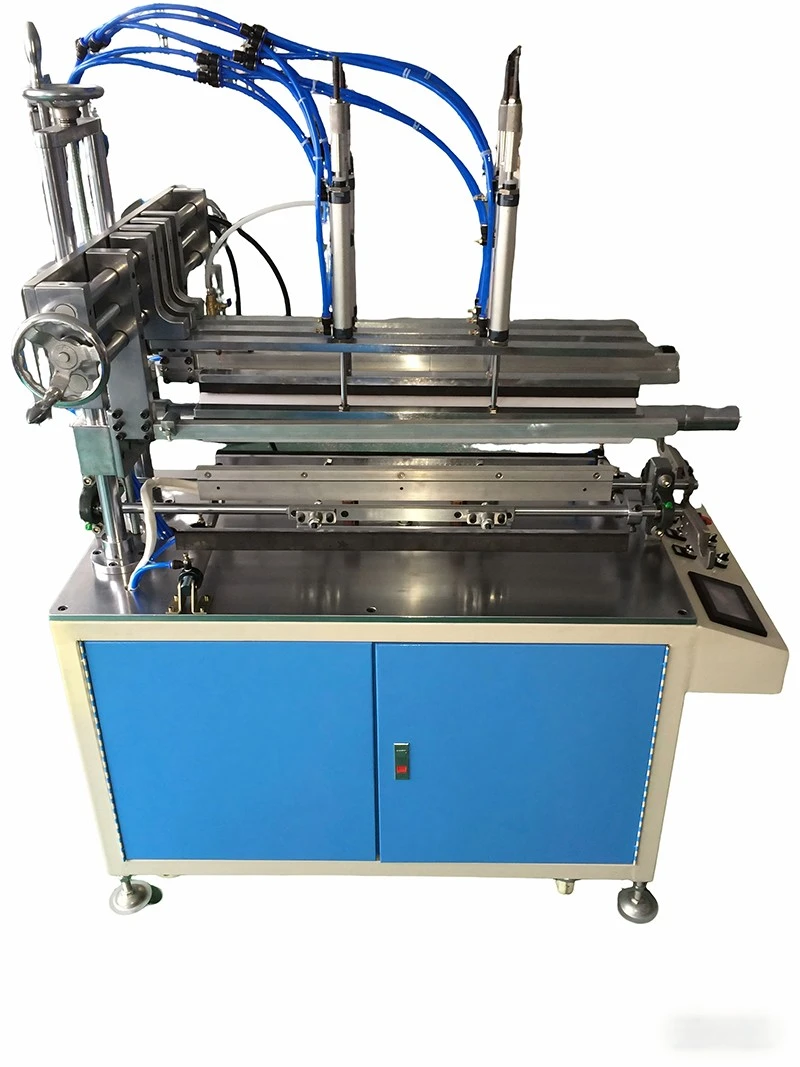
Hey there, folks! As a supplier of the PVC PET Sheet Cylinder Tube Forming Machine, I've seen a lot of questions about how to install the molds on this awesome piece of equipment. So, I thought I'd put together this blog post to walk you through the process step by step.
First things first, let's talk about why mold installation is such a big deal. The molds are the heart and soul of the forming machine. They determine the shape, size, and quality of the PVC or PET cylinders and tubes you're going to produce. If the molds aren't installed correctly, you could end up with misshapen, uneven products, and that's definitely not what you want.
Preparation
Before you even think about installing the molds, you need to do some prep work. Make sure your workspace is clean and organized. You don't want any dirt, debris, or tools lying around that could get in the way or cause damage. It's also a good idea to have all the necessary tools on hand. You'll typically need wrenches, screwdrivers, and maybe a mallet, depending on the machine and the molds.
Next, check the forming machine itself. Make sure it's turned off and unplugged. Safety first, right? Inspect the machine for any signs of damage or wear. Look at the mold mounting area to ensure it's clean and free of any obstructions. If there are any issues, address them before you start installing the molds.
Inspecting the Molds
Once you've prepped the workspace and the machine, it's time to take a close look at the molds. Carefully inspect them for any signs of damage, such as cracks, chips, or rough edges. Even a small defect can have a big impact on the quality of your finished products. If you find any problems, contact your mold supplier right away.
Measure the molds to make sure they're the right size for your machine. The molds should fit snugly in the mounting area without any gaps or wobbling. If they're too big or too small, they won't work properly, so double-check the measurements.
Installing the Lower Mold
Let's start with the lower mold. This is usually the foundation for the tube or cylinder forming process. Carefully lift the lower mold and align it with the mounting area on the machine. You may need to use the alignment pins or guides on the machine to help you get it in the right position. Once it's aligned, start inserting the bolts or screws to secure the mold in place. Don't tighten them all the way just yet. You'll want to make a few more adjustments before you finalize the installation.
Use a level to ensure the lower mold is perfectly horizontal. This is crucial for getting uniform and straight tubes or cylinders. If the mold is tilted, your products will come out uneven. Make any necessary adjustments by loosening the bolts slightly and shifting the mold until it's level. Then, tighten the bolts securely.
Installing the Upper Mold
Now, it's time to move on to the upper mold. Similar to the lower mold, lift it carefully and align it with the lower mold. The alignment is key here. The upper mold needs to fit precisely over the lower mold to create a smooth and seamless tube or cylinder. You may need to use the alignment marks on the molds themselves or on the machine.
Once the upper mold is aligned, attach it to the machine using the appropriate fasteners. Again, don't tighten them completely at first. Move the upper mold up and down a few times to make sure it slides smoothly and doesn't bind. This will ensure that the forming process goes smoothly later on.
After you've tested the movement, check the alignment one more time. Make any fine-tuning adjustments if needed. Then, tighten all the fasteners securely.
Testing the Mold Installation
With both the lower and upper molds installed, it's time to do a test run. Plug in the machine and turn it on. Set the machine to its lowest speed setting initially. This will allow you to observe the operation closely and identify any issues early on.
Feed a small piece of PVC or PET sheet into the machine. Watch carefully as the sheet passes through the molds. Pay attention to how the molds come together and how the tube or cylinder is formed. Look for any signs of misalignment, such as uneven edges or gaps in the formed product.
If you notice any problems during the test run, stop the machine immediately. Double-check the mold installation and make any necessary adjustments. It might take a few tries to get everything just right, but don't get frustrated. Taking the time to do it correctly will pay off in the long run.
Fine-Tuning the Molds
Once you're satisfied with the initial test run, you may still need to do some fine-tuning. Adjust the temperature settings on the machine if necessary. The right temperature is crucial for getting the best results with PVC and PET materials. Too low, and the sheet may not form properly. Too high, and it could melt or warp.
You might also need to adjust the pressure settings. The pressure affects how tightly the molds come together and how well the sheet is formed. Experiment with different settings to find the optimal combination for your specific materials and product requirements.
Maintenance Tips
After you've successfully installed and tested the molds, it's important to keep them in good condition. Regular maintenance will extend the life of the molds and ensure consistent quality in your products.
Clean the molds after each use. Remove any residue or debris from the surfaces using a soft cloth and a mild cleaning solution. Avoid using abrasive materials that could scratch the molds.
Inspect the molds regularly for signs of wear and tear. Replace any worn or damaged parts as soon as possible. This will prevent further damage to the molds and the machine.
Other Machine Options
We also offer other types of forming machines that might be of interest to you. Our PET Sheet Cylindrical Forming Machine is great for creating cylindrical products from PET sheets. If you're working with cardboard, our Cardboard Cylinder Forming Machine is a top choice. And for PVC tube forming using ultrasonic technology, check out our PVC Ultrasonic Tube Forming Machine.
Get in Touch
If you have any questions about mold installation, our machines, or if you're interested in making a purchase, don't hesitate to reach out. We're here to help you get the most out of your forming equipment. Whether you're a small business just starting out or a large-scale manufacturer, we have the solutions you need.
References
- Expert knowledge from years of working with PVC PET Sheet Cylinder Tube Forming Machines.
- Technical manuals for the PVC PET Sheet Cylinder Tube Forming Machines.