

As a supplier of Four-station Cylindrical Edge Rolling Machines, I've had my fair share of experiences with these nifty pieces of equipment. In this blog, I'll walk you through some common faults that you might encounter with a four-station cylindrical edge rolling machine and how to troubleshoot them.
1. Inconsistent Edge Rolling
One of the most common issues you might face is inconsistent edge rolling. This means that the edges of the cylinders don't come out the same all around. Sometimes, the curl might be too tight in one area and too loose in another.
Possible Causes
- Uneven Pressure: The rollers might not be applying pressure evenly across the cylinder. This could be due to misaligned rollers or worn-out parts.
- Material Variations: If the material you're using has thickness variations, it can cause inconsistent edge rolling. For example, if the PVC sheet has thin and thick spots, the curl will be affected.
- Speed Fluctuations: Inconsistent machine speed can also lead to uneven edge rolling. If the machine speeds up or slows down during the rolling process, the curl won't be uniform.
Troubleshooting Steps
- Check and Adjust Rollers: First, inspect the rollers for any signs of wear or misalignment. If they're worn out, replace them. You can use a feeler gauge to check the gap between the rollers and adjust them to ensure even pressure.
- Inspect Material: Examine the material for thickness variations. If possible, use a more consistent material. You can also try pre - processing the material to make the thickness more uniform.
- Stabilize Machine Speed: Check the speed control settings of the machine. Make sure it's running at a constant speed. If there are any issues with the speed controller, have it repaired or replaced.
2. Roller Slippage
Roller slippage is another common problem. It occurs when the rollers don't grip the material properly, causing the material to slide instead of being rolled.
Possible Causes
- Dirty Rollers: Accumulated dirt, dust, or debris on the rollers can reduce their grip.
- Worn Roller Surface: Over time, the surface of the rollers can become smooth, reducing friction.
- Wrong Roller Pressure: If the pressure between the rollers is too low, the material won't be held firmly enough, leading to slippage.
Troubleshooting Steps
- Clean the Rollers: Use a soft cloth and a suitable cleaning agent to clean the rollers. Make sure to remove all the dirt and debris.
- Replace Worn Rollers: If the rollers have a smooth surface due to wear, it's time to replace them. You can find compatible rollers for the Four - station Cylindrical Edge Rolling Machine from our stock.
- Adjust Roller Pressure: Increase the pressure between the rollers slightly to improve the grip. However, be careful not to over - tighten as it can damage the material or the machine.
3. Noise and Vibration
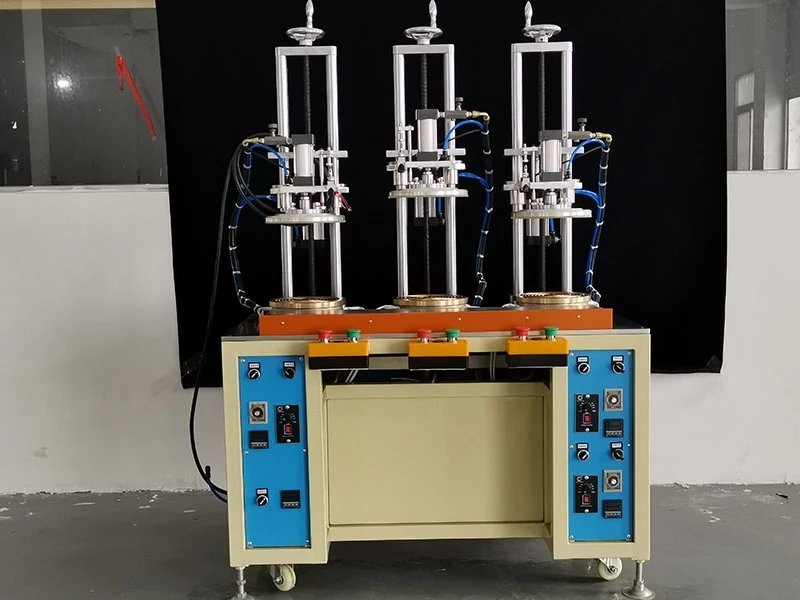
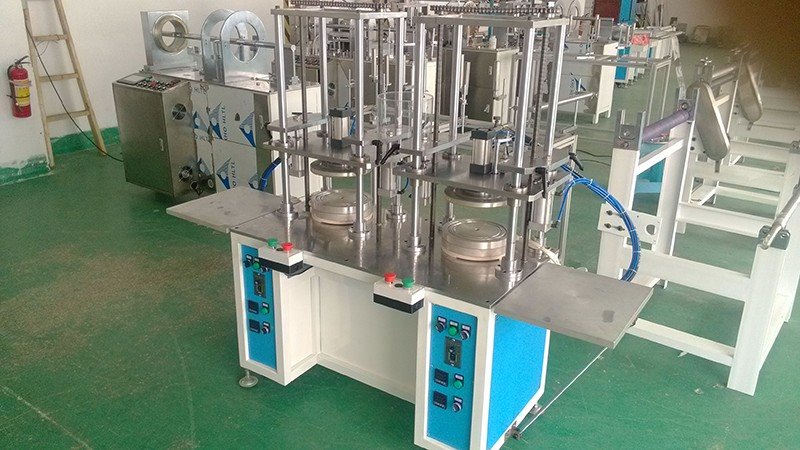
Excessive noise and vibration during the operation of the four - station cylindrical edge rolling machine can be a sign of trouble.
Possible Causes
- Loose Components: Bolts, nuts, or other components might have become loose over time. This can cause the machine to vibrate and make noise.
- Worn Bearings: Bearings that are worn out can also lead to noise and vibration. As they deteriorate, they can't support the moving parts smoothly.
- Imbalanced Rotating Parts: If the rotating parts of the machine, such as the rollers or shafts, are imbalanced, it can cause vibration and noise.
Troubleshooting Steps
- Tighten Loose Components: Inspect the machine and tighten any loose bolts, nuts, or other components. Use a torque wrench to ensure proper tightening.
- Replace Worn Bearings: Check the bearings for signs of wear, such as excessive play or rough movement. If they're worn out, replace them with new ones.
- Balance Rotating Parts: Have the rotating parts of the machine balanced by a professional. This can significantly reduce vibration and noise.
4. Electrical Problems
Electrical issues can be a major headache when it comes to operating the four - station cylindrical edge rolling machine.
Possible Causes
- Faulty Wiring: Over time, the wiring in the machine can become damaged or loose. This can lead to electrical shorts or intermittent power supply.
- Malfunctioning Switches: The on/off switches, speed control switches, or other electrical switches might not be working properly.
- Defective Motor: If the motor is defective, the machine might not start or run smoothly.
Troubleshooting Steps
- Inspect Wiring: Check the wiring for any signs of damage, such as frayed wires or loose connections. If you find any issues, repair or replace the wiring.
- Test and Replace Switches: Use a multimeter to test the switches. If a switch is faulty, replace it with a new one.
- Check the Motor: Have the motor inspected by an electrician. They can diagnose any problems with the motor and recommend the appropriate repairs or replacement.
5. Poor Curl Quality
Sometimes, the curl quality might not meet your expectations. The curl might be too weak, too sharp, or have an irregular shape.
Possible Causes
- Incorrect Roller Settings: The distance between the rollers, their angle, or the pressure applied by the rollers might not be set correctly.
- Wrong Material Temperature: The temperature of the material can affect the curl quality. If it's too cold, the material might not curl properly. If it's too hot, the material can become deformed.
- Worn Curl Guides: The curl guides, which help shape the curl, can wear out over time, leading to poor curl quality.
Troubleshooting Steps
- Adjust Roller Settings: Experiment with different roller settings to find the optimal configuration for your material. You can refer to the machine's manual for guidance.
- Control Material Temperature: Use a heater or cooler to adjust the temperature of the material. Make sure it's within the recommended range for the best curl results.
- Replace Worn Curl Guides: If the curl guides are worn out, replace them with new ones. This can significantly improve the curl quality.
If you're facing any of these problems with your four - station cylindrical edge rolling machine or are considering purchasing a new one, we're here to help. We also offer other types of edge rolling machines like the Two - station PVC Cylinder Curling Machine, Automatic Roller Curling Machine, and Three - station Cylindrical Edge Rolling Machine.
Don't hesitate to contact us for more information or to discuss your specific requirements. We're always ready to assist you in finding the best solution for your edge rolling needs.
References
- Operating Manual of Four - station Cylindrical Edge Rolling Machine
- Industry reports on rolling machine technology and maintenance