

As a supplier of PVC Box Making Machine, I've often been asked about the intricate details of how these machines control the folding process. In this blog post, I'll delve into the fascinating world of PVC box making machines and explain the mechanisms behind their precise folding operations.
Understanding the Basics of PVC Box Making
Before we dive into the folding process control, let's briefly understand the overall process of making PVC boxes. PVC, or polyvinyl chloride, is a widely used plastic material known for its durability, flexibility, and affordability. PVC boxes are commonly used in various industries for packaging purposes, such as cosmetics, electronics, and food products.
The PVC box making process involves several steps, including cutting, printing, creasing, and folding. The folding process is particularly crucial as it determines the final shape and structure of the box. A well-controlled folding process ensures that the boxes are neatly folded, with precise angles and tight corners, providing a professional and aesthetically pleasing finish.
Key Components of a PVC Box Making Machine
To understand how a PVC box making machine controls the folding process, it's essential to familiarize ourselves with its key components. Here are the main parts that play a significant role in the folding operation:

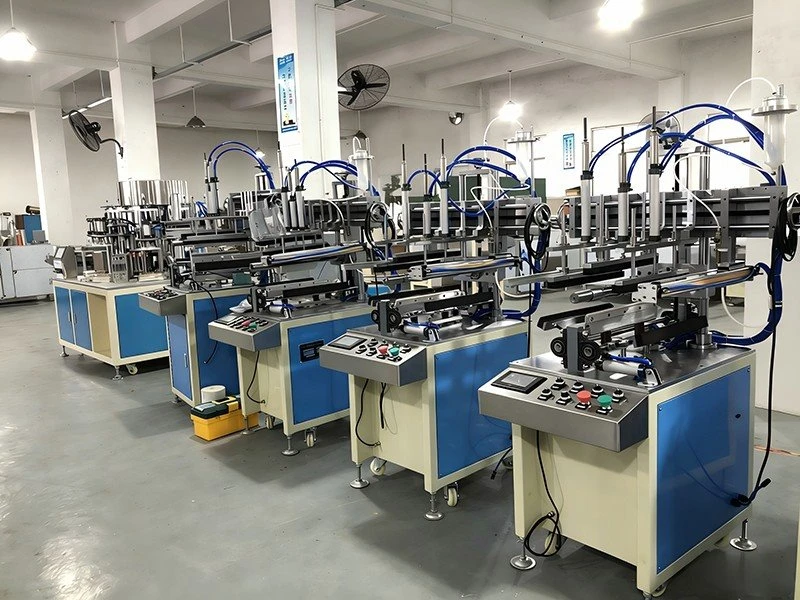
- Feeding System: This component is responsible for feeding the PVC sheets into the machine at a consistent speed and position. It ensures that the sheets are properly aligned and ready for the subsequent processing steps.
- Creasing Unit: The creasing unit creates pre-fold lines on the PVC sheets. These lines act as guides for the folding process, making it easier to achieve accurate and uniform folds. The depth and width of the creases can be adjusted according to the specific requirements of the box design.
- Folding Mechanism: The folding mechanism is the heart of the PVC box making machine. It consists of various components, such as folding bars, blades, and guides, that work together to fold the PVC sheets along the pre-creased lines. The folding process can be either manual or automated, depending on the machine's design and functionality.
- Control System: The control system is responsible for managing and coordinating the operation of the entire machine. It allows the operator to set and adjust various parameters, such as folding speed, angle, and pressure, to ensure precise and consistent folding results. The control system can be either mechanical, electrical, or a combination of both.
Controlling the Folding Process
Now that we have a basic understanding of the PVC box making machine's components, let's explore how the folding process is controlled. Here are the key factors that influence the control of the folding process:
- Precise Creasing: As mentioned earlier, the creasing unit plays a crucial role in the folding process. By creating accurate and consistent pre-fold lines, the creasing unit ensures that the PVC sheets can be easily folded along the desired angles. The depth and width of the creases are carefully calibrated to provide the right amount of flexibility and stiffness for the folding operation.
- Folding Angle Adjustment: The folding mechanism allows the operator to adjust the folding angle according to the specific requirements of the box design. This can be achieved through mechanical or electrical means, such as adjusting the position of the folding bars or changing the settings on the control panel. Precise control of the folding angle ensures that the boxes have the correct shape and dimensions.
- Folding Speed and Pressure: The speed and pressure at which the folding process is carried out are also important factors that affect the quality of the folds. The control system allows the operator to adjust these parameters to optimize the folding process. For example, a higher folding speed may be suitable for simple box designs, while a lower speed and higher pressure may be required for more complex or thicker PVC sheets.
- Automation and Sensor Technology: Many modern PVC box making machines are equipped with advanced automation and sensor technology to improve the accuracy and efficiency of the folding process. These sensors can detect the position and orientation of the PVC sheets, ensuring that they are properly aligned before the folding operation. Additionally, automation features, such as programmable logic controllers (PLCs), can be used to control the entire folding process, reducing the need for manual intervention and minimizing the risk of errors.
Quality Assurance and Troubleshooting
To ensure that the PVC boxes are of high quality, it's important to implement a comprehensive quality assurance program. This includes regular inspections of the folded boxes to check for any defects, such as uneven folds, loose corners, or misaligned edges. If any issues are detected, the operator can make the necessary adjustments to the machine's settings or components to correct the problem.
In addition to quality assurance, it's also important to be able to troubleshoot any problems that may arise during the folding process. Common issues include jammed sheets, misaligned folds, and inconsistent folding angles. By understanding the machine's components and control system, the operator can quickly identify the root cause of the problem and take appropriate measures to resolve it.
Conclusion
In conclusion, the folding process of a PVC box making machine is a complex and precise operation that requires careful control and coordination. By understanding the key components of the machine and the factors that influence the folding process, operators can ensure that the PVC boxes are neatly folded, with precise angles and tight corners.
As a supplier of PVC Box Making Machine, we are committed to providing our customers with high-quality machines that offer reliable performance and excellent folding results. If you're interested in learning more about our PVC box making machines or have any questions about the folding process, please don't hesitate to contact us. We look forward to discussing your specific needs and helping you find the perfect solution for your business.
References
- Smith, J. (2020). PVC Box Making: A Comprehensive Guide. Packaging Industry Press.
- Johnson, A. (2019). Advanced Folding Techniques for PVC Boxes. Plastics Manufacturing Journal.
- Brown, C. (2018). Quality Control in PVC Box Production. Industrial Quality Assurance Review.