

Hey there! As a supplier of PVC Box Making Machine, I've seen my fair share of issues when it comes to getting the alignment just right in these machines. It can be a real headache, but don't worry – I'm here to walk you through the process step by step.
Why Alignment Matters
First things first, let's talk about why alignment is so crucial in a PVC box making machine. When the components of the machine aren't properly aligned, it can lead to a whole bunch of problems. For starters, the boxes might not fold correctly, which means you'll end up with a bunch of defective products. This can waste a lot of time, materials, and money.
In addition, misaligned parts can put extra stress on the machine, leading to premature wear and tear. This can result in more frequent breakdowns and costly repairs. So, getting the alignment right isn't just about making good-looking boxes – it's also about keeping your machine running smoothly and efficiently.
Tools You'll Need
Before we dive into the adjustment process, let's go over the tools you'll need. You'll want to have a set of precision measuring tools on hand, such as calipers and a dial indicator. These will help you accurately measure and adjust the alignment of the various components in the machine.
You'll also need some basic hand tools, like wrenches and screwdrivers, to loosen and tighten bolts and screws. Make sure you have the right size tools for the job, as using the wrong size can damage the machine.
Step 1: Clean the Machine
The first step in adjusting the alignment of your PVC box making machine is to give it a good cleaning. Over time, dust, dirt, and debris can build up on the machine's components, which can affect their alignment. Use a clean, dry cloth to wipe down the machine, paying special attention to the areas around the folding and cutting mechanisms.
If there's any stubborn dirt or grime, you can use a mild cleaning solution and a soft brush to gently scrub the affected areas. Just make sure you dry the machine thoroughly before you move on to the next step.
Step 2: Check the Frame Alignment
The frame of the PVC box making machine provides the foundation for all the other components, so it's important to make sure it's properly aligned. Start by checking the levelness of the machine using a spirit level. Place the level on the top of the frame in several different locations and make sure the bubble is centered.
If the machine isn't level, you'll need to adjust the feet at the bottom of the frame. Use a wrench to loosen the locking nuts on the feet, then turn the feet clockwise or counterclockwise to raise or lower them as needed. Once the machine is level, tighten the locking nuts to secure the feet in place.
Next, check the alignment of the frame's vertical and horizontal members. Use a dial indicator to measure the distance between the members at several different points. If there's any significant variation in the measurements, you'll need to adjust the alignment of the members.
To adjust the alignment, loosen the bolts that hold the members in place and use a pry bar or a hydraulic jack to gently move the members into the correct position. Once the alignment is correct, tighten the bolts to secure the members in place.
Step 3: Adjust the Folding Mechanism
The folding mechanism is one of the most important components of a PVC box making machine, so it's crucial to make sure it's properly aligned. Start by checking the alignment of the folding blades. Use a caliper to measure the distance between the blades and the folding plate at several different points. If there's any significant variation in the measurements, you'll need to adjust the alignment of the blades.
To adjust the alignment of the blades, loosen the bolts that hold them in place and use a shim or a spacer to move the blades into the correct position. Once the alignment is correct, tighten the bolts to secure the blades in place.
Next, check the alignment of the folding rollers. Use a dial indicator to measure the distance between the rollers and the folding plate at several different points. If there's any significant variation in the measurements, you'll need to adjust the alignment of the rollers.
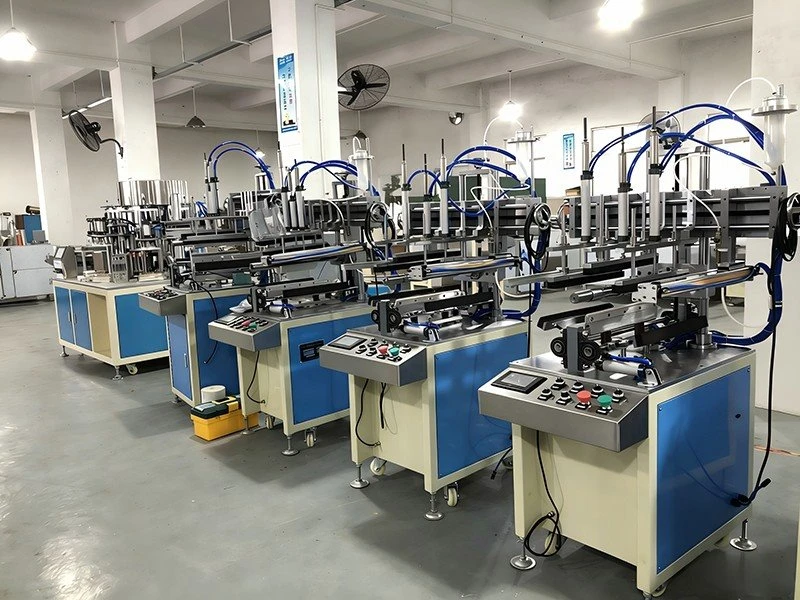

To adjust the alignment of the rollers, loosen the bolts that hold them in place and use an adjusting screw or a hydraulic cylinder to move the rollers into the correct position. Once the alignment is correct, tighten the bolts to secure the rollers in place.
Step 4: Adjust the Cutting Mechanism
The cutting mechanism is another important component of a PVC box making machine, so it's important to make sure it's properly aligned. Start by checking the alignment of the cutting blade. Use a caliper to measure the distance between the blade and the cutting plate at several different points. If there's any significant variation in the measurements, you'll need to adjust the alignment of the blade.
To adjust the alignment of the blade, loosen the bolts that hold it in place and use a shim or a spacer to move the blade into the correct position. Once the alignment is correct, tighten the bolts to secure the blade in place.
Next, check the alignment of the cutting die. Use a dial indicator to measure the distance between the die and the cutting plate at several different points. If there's any significant variation in the measurements, you'll need to adjust the alignment of the die.
To adjust the alignment of the die, loosen the bolts that hold it in place and use an adjusting screw or a hydraulic cylinder to move the die into the correct position. Once the alignment is correct, tighten the bolts to secure the die in place.
Step 5: Test the Machine
Once you've adjusted the alignment of all the components in the machine, it's time to test it out. Start by running a few test pieces of PVC material through the machine and check the quality of the boxes that are produced. Make sure the boxes are folding and cutting correctly and that there are no signs of misalignment.
If you notice any issues with the quality of the boxes, you may need to make further adjustments to the alignment of the machine. Repeat the adjustment process as needed until you're satisfied with the results.
Conclusion
Adjusting the alignment of a PVC box making machine can be a challenging task, but it's an important one if you want to ensure the quality and efficiency of your production. By following the steps outlined in this blog post and using the right tools, you can get your machine aligned correctly and running smoothly in no time.
If you have any questions or need further assistance with adjusting the alignment of your PVC box making machine, don't hesitate to reach out. As a supplier of PVC Box Making Machine, we're here to help. Contact us today to discuss your needs and see how we can help you improve your production process.
References
- General knowledge and experience in the PVC box making machine industry.