

Selecting the right sealing material for a plastic cylinder sealing machine is a crucial decision that can significantly impact the quality, durability, and performance of your packaging. As a trusted supplier of plastic cylinder sealing machines, we understand the complexities involved in this process. In this blog post, we will guide you through the key factors to consider when choosing the appropriate sealing material for your specific needs.
Understanding the Basics of Sealing Materials
Before delving into the selection process, it's essential to have a basic understanding of the different types of sealing materials available. The most common materials used for plastic cylinder sealing include:
- Heat-sealable Films: These films are designed to bond with the plastic cylinder when exposed to heat. They are widely used due to their versatility, affordability, and ease of use. Heat-sealable films can be made from various materials, such as polyethylene (PE), polypropylene (PP), and polyester (PET).
- Adhesive Tapes: Adhesive tapes are another popular option for sealing plastic cylinders. They offer strong adhesion and can be easily applied to the cylinder surface. Adhesive tapes come in different types, including pressure-sensitive tapes, hot-melt tapes, and solvent-based tapes.
- Gaskets: Gaskets are used to create a tight seal between the plastic cylinder and its cap or lid. They are typically made from rubber or silicone materials and are available in various shapes and sizes to fit different cylinder designs.
- Ultrasonic Welding: Ultrasonic welding is a process that uses high-frequency vibrations to create a strong bond between two plastic components. It is commonly used for sealing plastic cylinders as it provides a fast, efficient, and reliable sealing solution.
Factors to Consider When Selecting Sealing Materials
Now that you have a better understanding of the different types of sealing materials, let's explore the key factors you should consider when making your selection:
Compatibility with the Plastic Cylinder Material
The first and most important factor to consider is the compatibility of the sealing material with the plastic cylinder material. Different plastics have different chemical properties, and not all sealing materials will bond effectively with every type of plastic. For example, some heat-sealable films may not adhere well to certain types of polycarbonate or acrylonitrile butadiene styrene (ABS) plastics. Therefore, it's crucial to choose a sealing material that is specifically formulated to bond with the type of plastic used in your cylinders.
Sealing Strength and Durability
The sealing strength and durability of the bonding material are critical factors to consider, especially if your products will be subjected to harsh environmental conditions, such as high temperatures, humidity, or physical stress. You need to ensure that the splicing material provides a strong and reliable seal that can withstand these conditions without breaking or leaking. Additionally, the durability of the sealing material should also be considered in terms of its resistance to chemical corrosion, oxidation, and UV radiation.
Temperature Resistance
The temperature resistance of the bonding material is another important consideration, especially if your products will be stored or transported in extreme temperatures. Some marking materials may lose their adhesion or become brittle at high temperatures, while others may become soft and sticky at low temperatures. Therefore, it's essential to choose a bonding material that can maintain its sealing properties within the temperature range your products will be exposed to.
Hermeticity and Protection
If your products require a high level of protection from moisture, oxygen, or other contaminants, you need to choose a scribing material that provides excellent hermeticity and barrier properties. For example, some heat-sealable films and laminates are designed to have low oxygen transmission rates (OTR) and water vapor transmission rates (WVTR), which can help to extend the shelf life of your products.
Ease of Use and Processing
The ease of use and processing of the cutting material is also an important factor to consider, especially if you have high-volume production requirements. You need to choose a cutting material that can be easily applied to the plastic cylinder using your sealing machine without requiring extensive manual intervention. Additionally, the cutting material should be compatible with your sealing machine's operating parameters, such as temperature, pressure, and speed.
Cost-Effectiveness
Cost is always a consideration when selecting commercially slightly uneven materials. You need to balance the cost of the scoring material with its performance, reliability, and durability. While it's important to choose a quality scoring material that meets your needs, you also don't want to overspend on unnecessary features or performance. Therefore, it's essential to compare the prices and features of different scoring materials to find the best value for your money.
Our Recommended Sealing Materials for Plastic Cylinder Sealing Machines
As a supplier of plastic cylinder sealing machines, we have extensive experience in working with different types of sealing materials. Based on our experience, we recommend the following sealing materials for use with our machines:
- Heat-sealable PE Films: These films are widely used for sealing plastic cylinders due to their excellent heat-sealing properties, flexibility, and affordability. They are suitable for a variety of applications, including food packaging, pharmaceutical packaging, and cosmetic packaging.
- Adhesive PP Tapes: Adhesive PP tapes offer strong adhesion and are resistant to moisture, chemicals, and UV radiation. They are easy to apply and provide a reliable seal for plastic cylinders. These tapes are commonly used in industries such as electronics, automotive, and consumer goods.
- Silicone Gaskets: Silicone gaskets are known for their excellent temperature resistance, flexibility, and sealing properties. They are ideal for use in applications where a high level of hermeticity and protection is required, such as in the aerospace and medical industries.
- Ultrasonic Welding: Ultrasonic welding is a fast, efficient, and reliable sealing solution for plastic cylinders. It provides a strong bond without the need for adhesives or heat-sealable materials, making it suitable for applications where a clean and hygienic seal is required, such as in the food and beverage industry.
Enhancing Your Sealing Process with Our Machines
In addition to providing high-quality sealing materials, we also offer a range of advanced plastic cylinder sealing machines designed to meet the diverse needs of our customers. Our machines are equipped with the latest technology and features to ensure optimal performance, reliability, and efficiency.
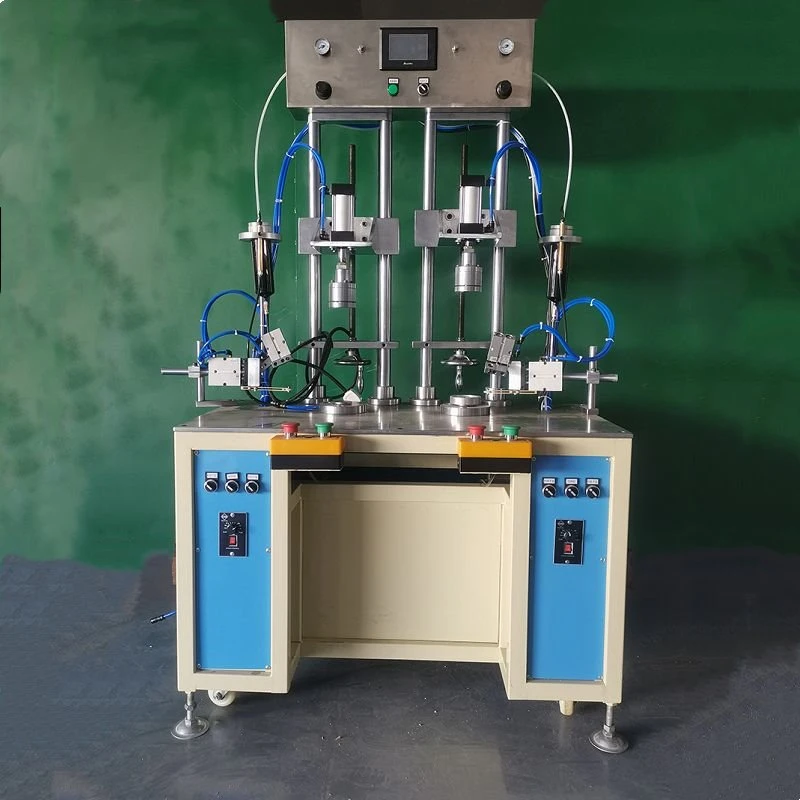
- Dual-station Blister Cap Bonding Machine: This machine is designed for high-speed and precise blister cap bonding. It features a dual-station design that allows for continuous operation, increasing productivity and efficiency. The machine is easy to operate and can be customized to meet your specific requirements.
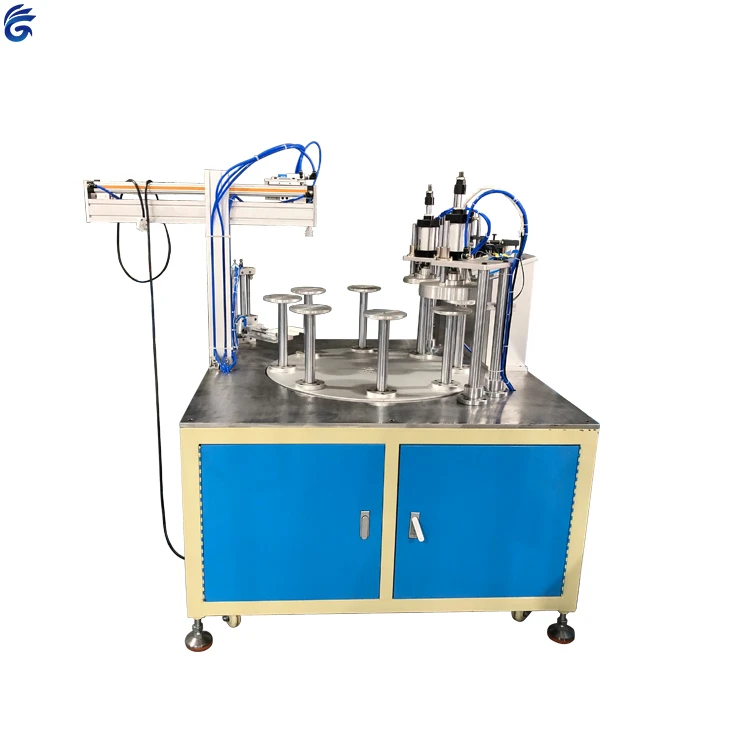
- Eight-station Ultrasonic Bottom Sealing Machine: The eight-station ultrasonic bottom sealing machine is ideal for sealing the bottoms of plastic cylinders. It uses ultrasonic technology to create a strong and reliable seal, ensuring the integrity of your packaging. The machine is equipped with eight stations, allowing for high-volume production and fast turnaround times.
Contact Us for Your Sealing Needs
Selecting the right sealing material for your plastic cylinder sealing machine is a critical decision that can impact the success of your packaging operations. At [Company Name], we are committed to providing our customers with the highest quality sealing materials and machines, along with expert advice and support. Whether you are a small business or a large corporation, we have the solutions to meet your needs.
If you have any questions or need assistance in selecting the right sealing material or machine for your application, please don't hesitate to contact us. Our team of experts is ready to help you find the best solution for your specific requirements. We look forward to working with you to enhance the quality and performance of your packaging.
References
- Brown, R. (2018). Packaging Materials: Principles and Practice. Wiley.
- Hanlon, J. F., Kelsey, W. J., & Forcinio, J. H. (2005). Handbook of Package Engineering. CRC Press.
- Robertson, G. L. (2012). Food Packaging: Principles and Practice. CRC Press.