

Hey there, folks! As a supplier of the PVC PET Sheet Cylinder Tube Forming Machine, I often get asked about how to adjust the tension in the feeding process of this nifty piece of equipment. It's a crucial part of getting the best results from your machine, so I thought I'd share some tips and tricks on how to do it right.
First off, let's talk about why tension adjustment is so important. In the feeding process of a PVC PET Sheet Cylinder Tube Forming Machine, proper tension ensures that the sheet material is fed smoothly and evenly. If the tension is too loose, the sheet might wrinkle or bunch up, leading to uneven forming and potentially defective products. On the other hand, if the tension is too tight, it could cause the sheet to stretch or even break, which is obviously a big problem.
So, how do you go about adjusting the tension? Well, the first thing you need to do is understand the components of the tension system in your machine. Most PVC PET Sheet Cylinder Tube Forming Machines have a set of rollers and guides that help control the movement of the sheet. These rollers can be adjusted to increase or decrease the pressure on the sheet, which in turn affects the tension.
Start by checking the manufacturer's manual. It's always a good idea to refer to the official documentation that came with your machine. The manual will usually have specific instructions on how to access and adjust the tension settings. Some machines might have a dedicated tension adjustment knob or lever, while others might require you to use tools to make more precise adjustments.
If you're using a PET Sheet Cylindrical Forming Machine or a PVC PET Sheet Cylinder Tube Forming Machine, you'll want to pay close attention to the initial setup. When you first load the sheet material onto the machine, make sure it's properly aligned and centered. This will help ensure that the tension is evenly distributed from the start.
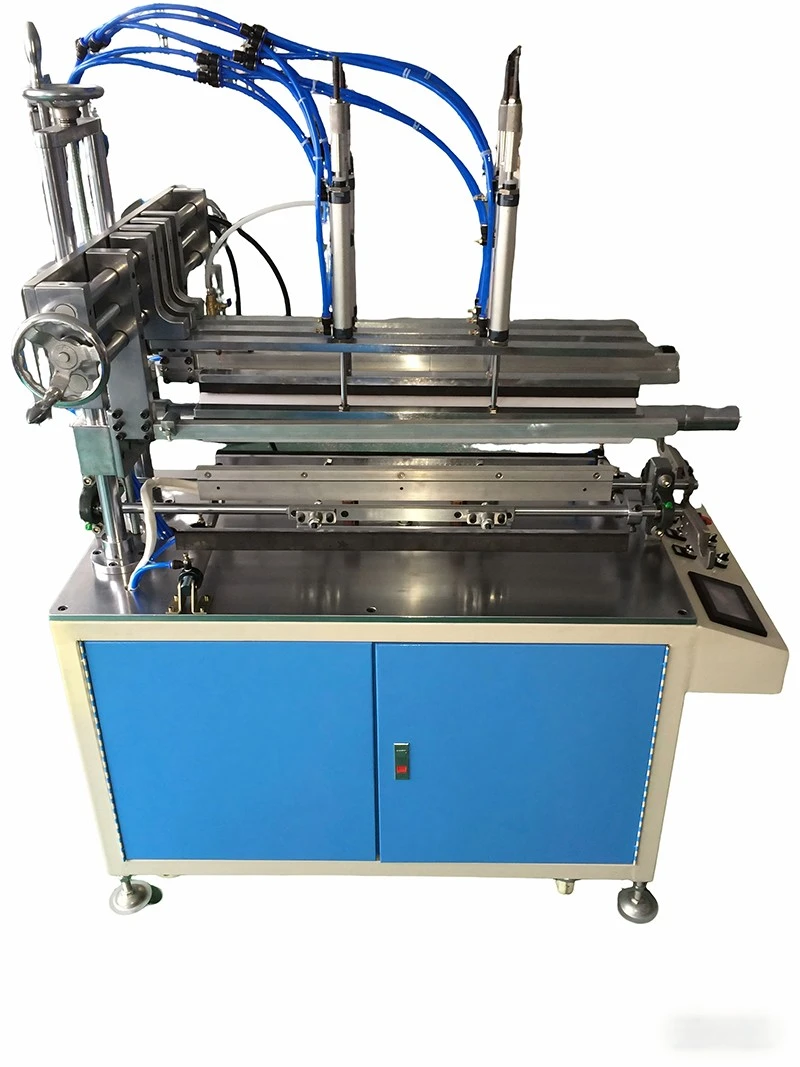
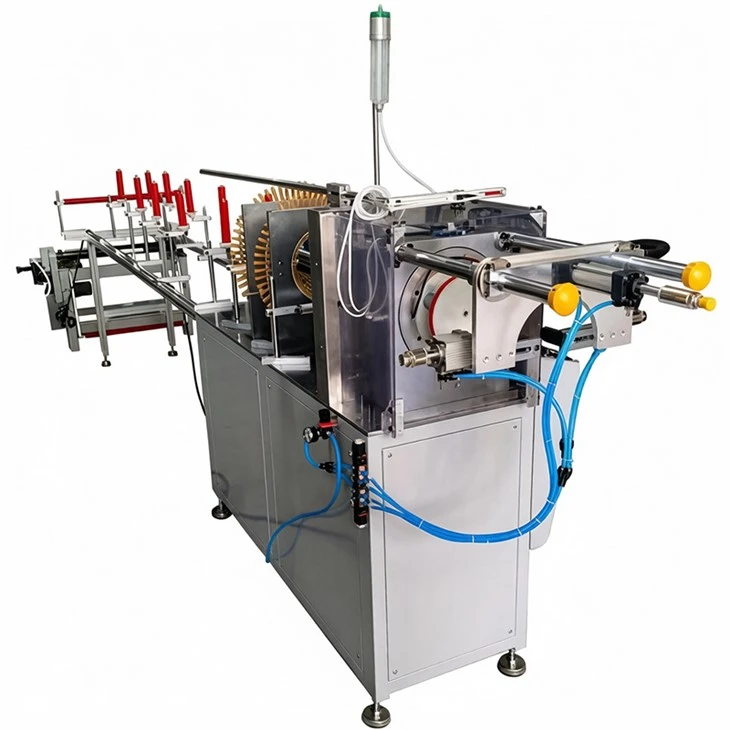
Once you've loaded the sheet, start the machine at a slow speed. This will allow you to observe how the sheet is moving through the rollers and guides. If the sheet seems to be sagging or bunching up in certain areas, it's a sign that the tension is too low. You can increase the tension by tightening the rollers or adjusting the tension settings according to the manual.
On the other hand, if the sheet is stretching or showing signs of stress, the tension is too high. In this case, you'll need to loosen the rollers or reduce the tension settings. It might take a few tries to get the tension just right, so be patient and make small adjustments at a time.
Another important factor to consider is the type and thickness of the sheet material. Different materials have different properties, and they might require different tension settings. For example, a thicker PVC sheet might need more tension than a thinner PET sheet to feed smoothly through the machine. Make sure you know the specifications of the material you're using and adjust the tension accordingly.
If you're having trouble getting the tension right, you might want to try using a tension meter. A tension meter is a handy tool that can measure the amount of tension in the sheet material. This can help you make more accurate adjustments and ensure that the tension is consistent throughout the feeding process.
Now, let's talk about some common problems you might encounter when adjusting the tension and how to fix them. One common issue is uneven tension across the width of the sheet. This can happen if the rollers are not properly aligned or if there's a problem with the guide system. To fix this, you'll need to check the alignment of the rollers and make sure they're parallel to each other. You might also need to clean or lubricate the guides to ensure smooth movement.
Another problem is tension fluctuations during the feeding process. This can be caused by a variety of factors, such as a worn-out drive belt or a problem with the motor. If you notice that the tension is changing randomly, you'll need to inspect the drive system and make any necessary repairs or replacements.
In addition to adjusting the tension, it's also important to maintain your PVC PET Sheet Cylinder Tube Forming Machine regularly. This includes cleaning the rollers and guides, lubricating the moving parts, and checking for any signs of wear and tear. By keeping your machine in good condition, you'll ensure that it operates smoothly and efficiently, and you'll get the best results from your production process.
If you're in the market for a PVC Ultrasonic Tube Forming Machine or a Cardboard Cylinder Forming Machine, we've got you covered. Our machines are designed to provide high-quality, reliable performance, and we offer a range of options to meet your specific needs.
If you have any questions or if you're interested in learning more about our machines, don't hesitate to reach out. We're here to help you get the most out of your investment and ensure that you're satisfied with your purchase. Whether you're a small business just starting out or a large-scale manufacturer, we can provide the solutions you need to succeed in your industry.
In conclusion, adjusting the tension in the feeding process of a PVC PET Sheet Cylinder Tube Forming Machine is a crucial step in ensuring high-quality production. By understanding the components of the tension system, following the manufacturer's instructions, and making small adjustments as needed, you can achieve the perfect tension for your specific application. And remember, if you need any assistance or if you're looking for a new machine, we're here to help.
References:
- Manufacturer's manuals for PVC PET Sheet Cylinder Tube Forming Machines
- Industry best practices for sheet feeding and tension control